
Treatment
1. Physiotherapy — Diagnosis, Movement Science & Lower-Limb Expertise
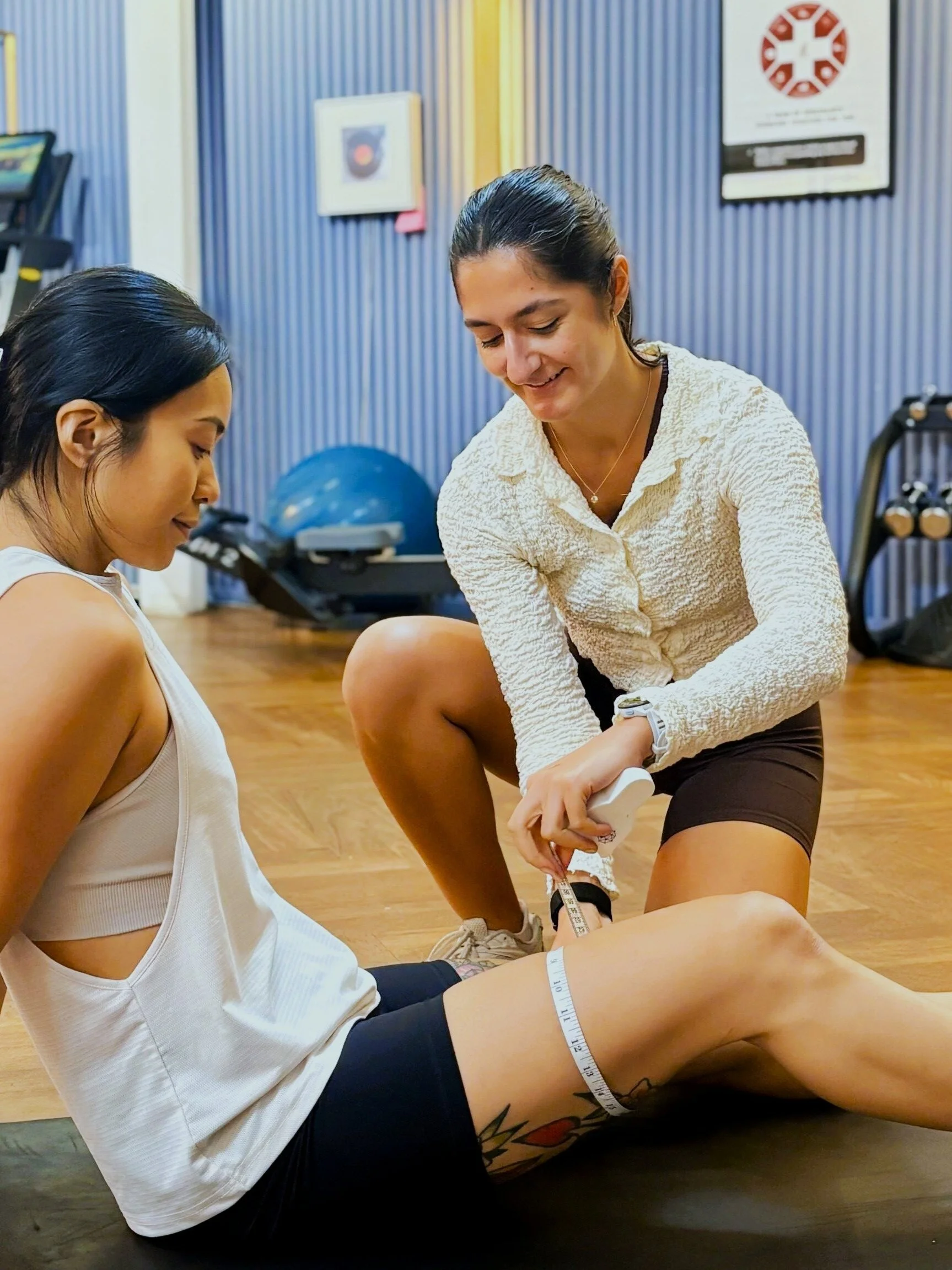
As a physiotherapist with a focus on the lower limb, I work with athletes, runners, and everyday movers to restore healthy function and build long-term resilience.
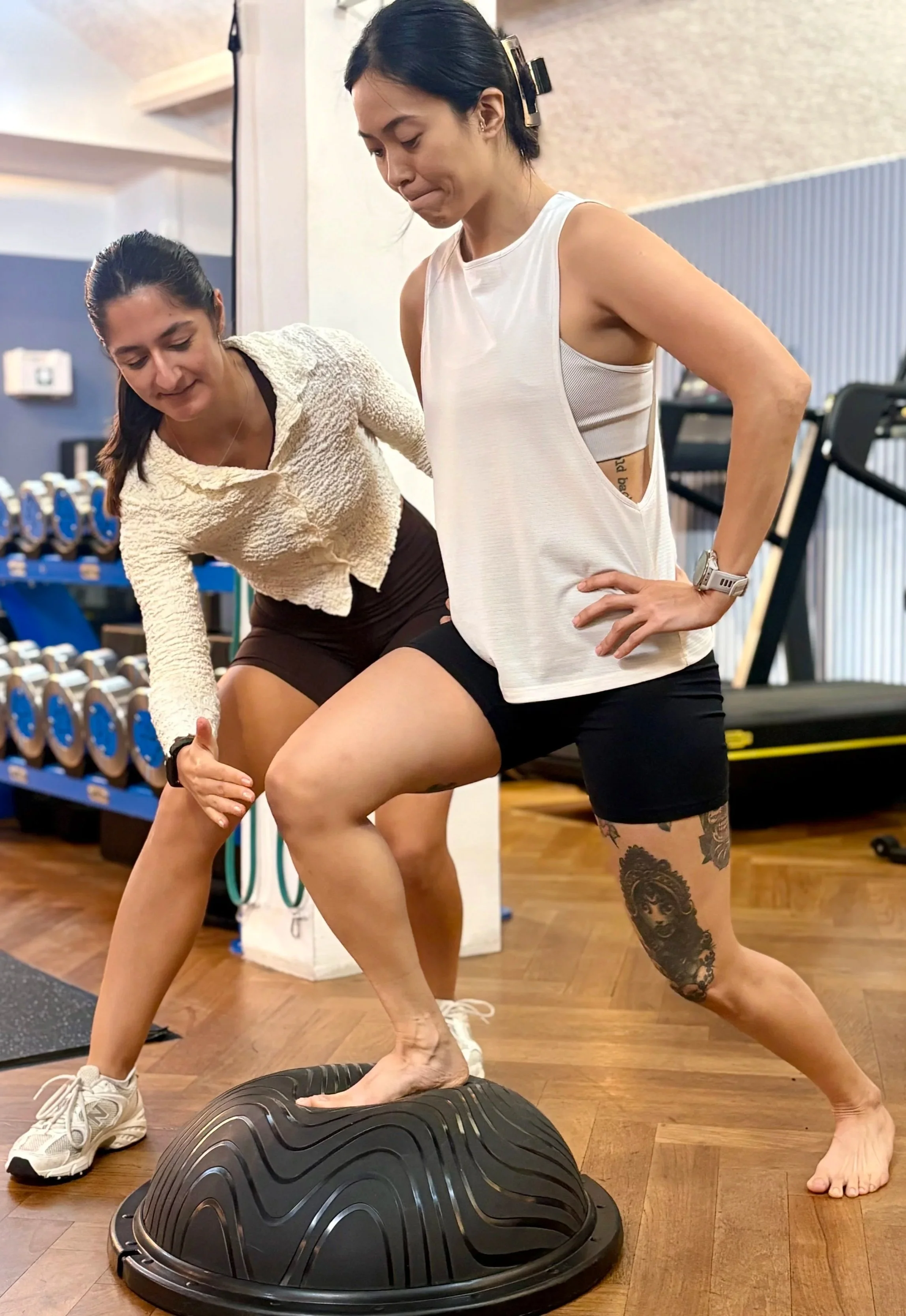
My assessments are rooted in MSK (musculoskeletal) principles, examining how joints, muscles, and connective tissue interact under load. This includes analyzing your gait, biomechanics, and understanding the kinetic chains, how one part of the body influences the next, and how subtle imbalances can lead to pain, inefficiency, or injury.
Whether you’re returning from an ankle sprain, managing knee pain, or preparing for a race, treatment plans combine hands-on therapy, movement re-education, and progressive strength work. The goal is not only to reduce symptoms, but to ensure you understand your body and have the tools to stay ahead of most injuries.
1.1 MSK • Biomechanics & Kinetic Chains
MSK diagnostics allow me to identify movement limitations, muscular imbalances, and load intolerances. I look at the body as an interconnected system where the foot influences the knee, the knee shapes hip mechanics, and the pelvis guides the entire running stride.
Through testing, mobility screens, and functional movement tasks, I map out how you move and where we can optimize efficiency, stability, and control.
1.2 Manual Lymphatic Drainage (MLD) • Recovery & Regulation
MLD is a powerful tool for reducing swelling, improving tissue healing, and accelerating recovery after injury, surgery, or intense training blocks.
Gentle, rhythmic techniques stimulate the lymphatic system, helping the body clear fluid and metabolic waste. This can be especially helpful for post-injury inflammation, chronic swelling, or athletes who need faster turnaround between sessions or races.
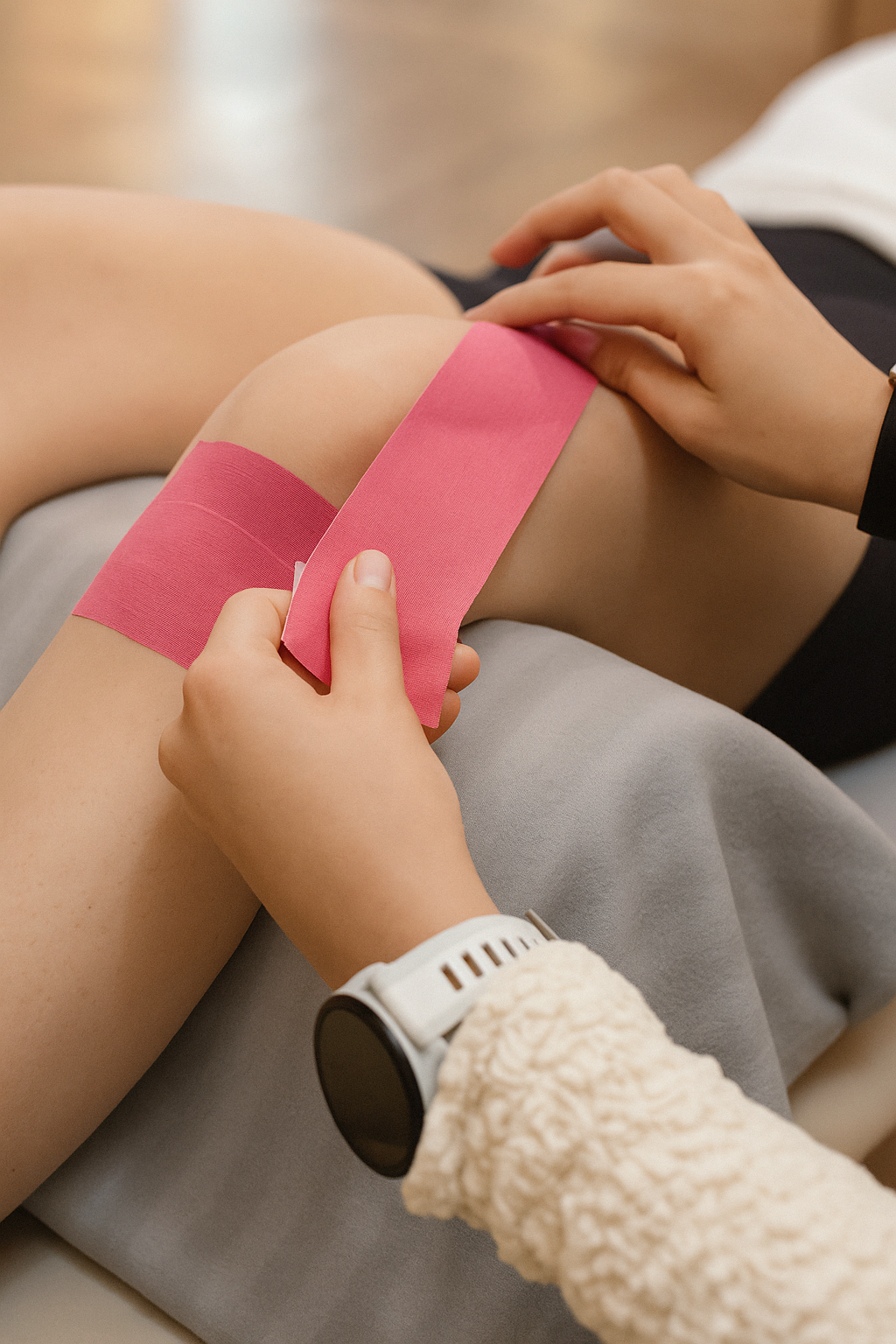
1.3 Sports Massage & Kinesio/ Sport taping • Active Recovery Support
To complement rehabilitation, I integrate sports massage to release tension, support tissue recovery, and improve circulation. Kinesio taping is used strategically to guide movement, reduce strain, or provide proprioceptive feedback during sport or daily activity.
These techniques help you move more freely, reduce discomfort, and stay active during your healing process.
My approach to physiotherapy combines evidence-based clinical assessment with a deep understanding of human movement. I specialize in lower-limb health, from acute injuries to performance optimization and integrate rehabilitation, Pilates, recovery techniques, and mindful practice to support clients across all stages of their journey.
2. Pilates — Reformer & Mat Strength
Pilates is a cornerstone of my work, offering a structured method to build strength, balance, and control. By using both Reformer and Mat work, my sessions focus on deep core activation, lower-limb strength, spinal stability, and conscious movement patterns. This is especially beneficial for pre- and post-natal, runners, hikers, and active individuals who want to improve posture, balance, and endurance.
Pilates bridges the gap between rehabilitation and transition into performance, helping you from isolated to dynamic exercises, functional strength that supports your lifestyle and sport.
3. Mindfulness — Connecting Body, Breath & Awareness
Movement is not only physical; but also emotional, cognitive, and deeply tied to how we handle stress. Brené Brown describes it as “being able to hold the tension of nuance and paradox, even when the brain feels uncomfortable.” Mindfulness guides you to understand your body’s signals, manage tension, and build a more intuitive relationship with movement. Whether through breathwork, guided awareness, or reflective conversations, mindfulness becomes part of your rehabilitation and your everyday life.
It’s a gentle reminder of being present, grounded, and connected to yourself.
One of the most inspiring people I’ve exchanged thoughts with on this is my brother, Hawar Otmann, who works in Berlin as a Gestalt therapist.
Contact Form